
New Statewide Analysis Finds Solar Uses Less Than One Quarter of One Percent of Colorado Land
Denver, CO | February 2026
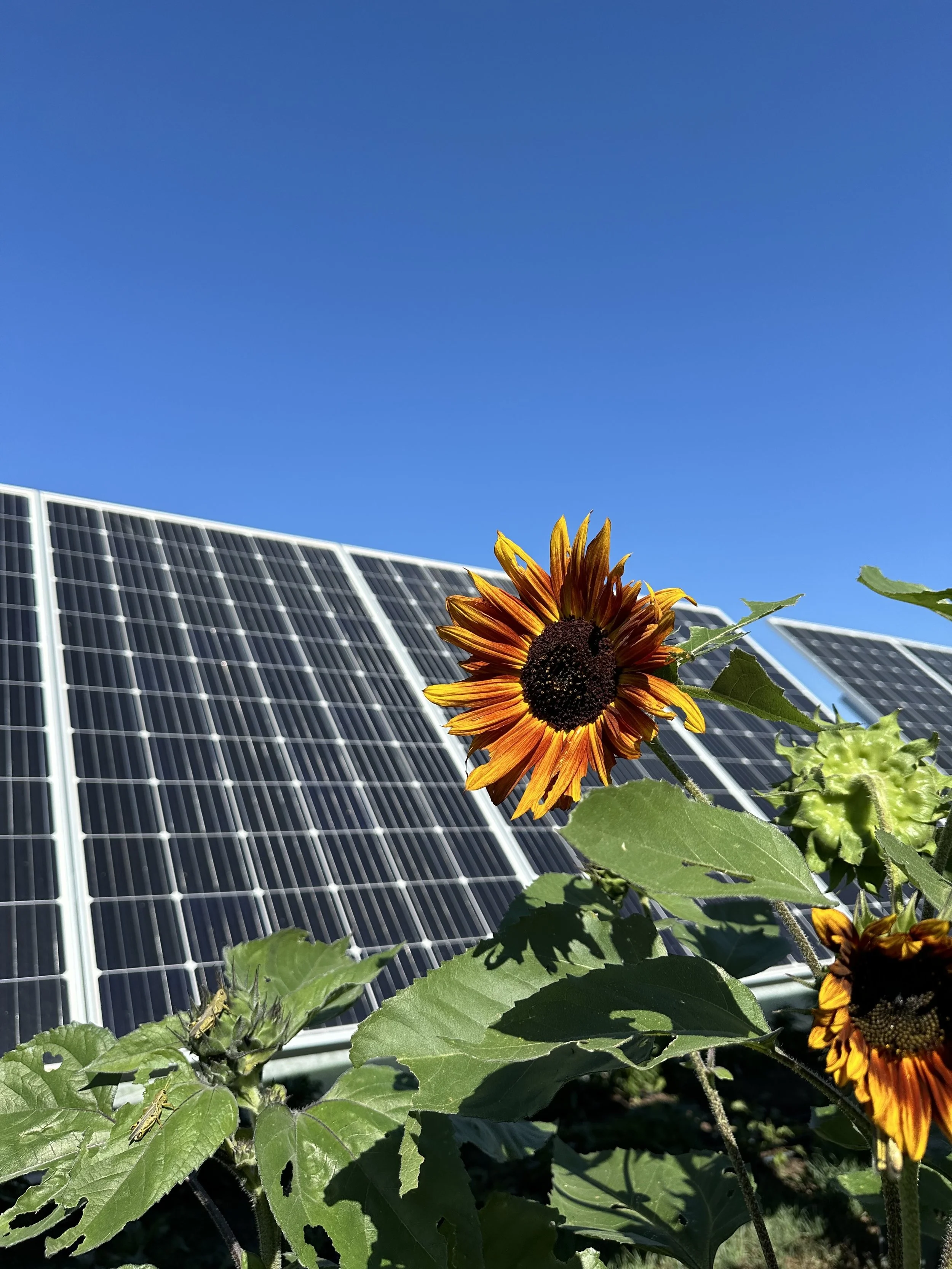
A new statewide analysis from the COSSA Institute finds that ground-mounted solar development currently occupies a very small share of Colorado’s land and agricultural resources, even as the state works toward ambitious clean energy goals.
As of 2024, ground-mounted solar arrays covered approximately 14,326 acres statewide. This represents about 0.022 percent of Colorado’s total land area and a fraction of one percent of the state’s farmland and agriculturally significant soils. The findings are based on a comprehensive spatial analysis that integrates multiple publicly available land-use and energy datasets, incorporating the most current data available through the end of 2024.
The report, A Spatial Analysis of Ground-Mounted Solar Arrays and Agricultural Land in Colorado, examines where solar development is occurring, how it overlaps with farmland and soil classifications, and how its footprint compares to other long-term land use trends.
“Discussions around solar and agriculture often assume a zero-sum tradeoff,” said Jeremiah Garrick, Manager of Community Engagement and Strategy at the COSSA Institute and author of the report. “The data show a much more nuanced reality. Solar development to date represents a very small share of land use in Colorado, especially when compared to the scale of farmland loss driven by residential and exurban growth.”
Key findings from the analysis include:
Nearly 90 percent of Colorado’s ground-mounted solar acreage is concentrated in just eight counties, primarily along the Front Range
Pueblo County is the epicenter of solar development, hosting almost 47% of Colorado’s total ground-mounted solar acreage.
Twenty-five counties had no ground-mounted solar development
Even in counties with the most solar development, ground-mounted solar occupies well under one percent of total county land area
Approximately 38 percent of solar acreage overlaps with soils classified as agriculturally important, often in areas where farmland dominates the landscape and alternative siting options are limited
The analysis also places solar development in the context of long-term agricultural change. Between 2017 and 2022, Colorado lost more than 1.6 million acres of farmland. Over the past several decades, millions of acres have been permanently converted to housing, roads, and other non-agricultural uses. In comparison, solar’s land footprint remains minimal and, unlike many other forms of development, land used for solar can be returned to other uses following decommissioning.
Looking ahead, the report assesses projected land requirements in relation to Colorado’s clean energy targets. Even under scenarios that assume an additional 60,000 to 80,000 acres of large-scale solar statewide, total solar development would occupy roughly one-tenth of one percent of Colorado’s land area.
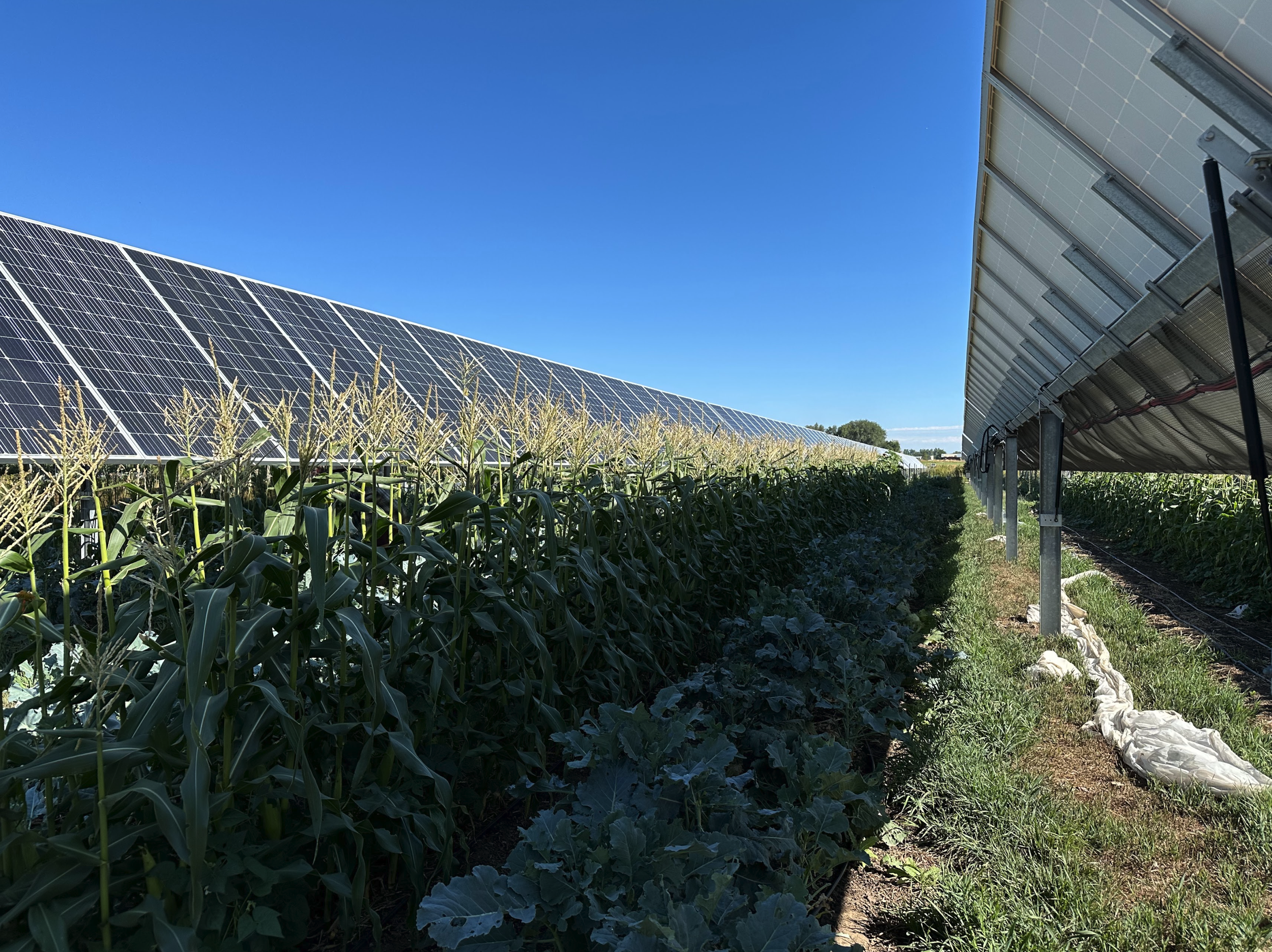
The report also highlights the growing role of agrivoltaics, where solar arrays are designed to support continued agricultural activity, such as grazing or specialty crops. More than 2,100 acres of large-scale solar in Colorado already operate as agrivoltaic systems, demonstrating opportunities for dual land use and diversified farm income.
The COSSA Institute emphasizes that data-driven planning and clear siting standards are essential as renewable energy development continues. The report cautions against blanket acreage caps or one-size-fits-all restrictions, recommending instead site-specific evaluation, coordination among state and local agencies, and policies that support multiple land uses.
“This analysis provides a factual foundation for productive conversations,” said KC Becker, CEO of the Colorado Solar and Storage Association (COSSA) and the COSSA Institute. “Colorado can meet its clean energy goals while respecting agricultural communities, but doing so requires decisions grounded in data, not assumptions.”